What is SEO?
Search Engine Optimization (SEO) is the process of improving a website so that it appears higher in search engine results pages (SERPs) on platforms like Google, Bing, and Yahoo. The goal of SEO is to increase organic (non-paid) traffic by making a website more relevant and valuable to users searching for specific information.
SEO involves optimizing various aspects of a website, including content, structure, technical performance, and external signals such as backlinks. When implemented correctly, SEO helps search engines understand your website and display it to the right audience.
Why is SEO Important?
In today’s digital world, most people search online before buying products or services. This makes SEO an essential part of any business’s digital marketing strategy.
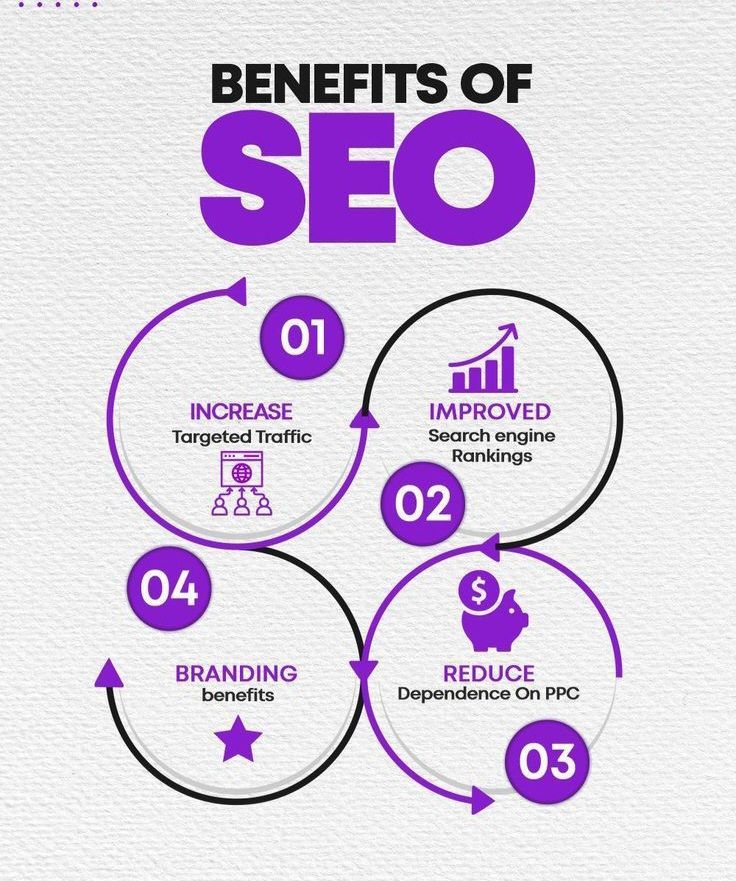
Some key benefits of SEO include:
Higher Visibility: Websites that rank higher on search engines receive more clicks and visitors.
Targeted Traffic: SEO helps attract users who are actively searching for your products or services.
Credibility and Trust: Users often trust websites that appear on the first page of search results.
Long-Term Results: Unlike paid advertising, SEO can provide sustainable traffic over time.
Key Components of SEO
1. Keyword Research
Keyword research is the foundation of SEO. It involves identifying the words and phrases people use when searching online. By targeting the right keywords, businesses can create content that directly matches user intent.
2. On-Page SEO
On-page SEO focuses on optimizing elements within individual web pages to improve rankings. Important on-page factors include:
Meta titles and descriptions
Heading tags (H1, H2, H3)
Image alt text
URL structure
Internal linking
These elements help search engines understand the content and relevance of a page.
3. Off-Page SEO
Off-page SEO refers to activities outside your website that influence its authority and credibility. The most important factor is backlinks, which are links from other reputable websites pointing to your site.
Other off-page SEO strategies include:
Social media promotion
Influencer collaborations
Guest blogging
Brand mentions
4. Technical SEO
Technical SEO ensures that search engines can easily crawl and index your website. It focuses on improving the technical structure of a website, such as:
Website speed and performance
Mobile-friendliness
Secure HTTPS connections
Proper indexing and sitemap setup
A technically optimized website provides a better experience for both users and search engines.
5. Content Creation
Content is one of the most important elements of SEO. High-quality, informative, and engaging content helps attract visitors and keeps them on your website longer.
Regularly publishing valuable content such as blogs, guides, and articles signals to search engines that your website is active and authoritative.
The Role of E-E-A-T in SEO
Google evaluates content quality using the E-E-A-T framework, which stands for:
Experience
Expertise
Authoritativeness
Trustworthiness
Websites that demonstrate strong E-E-A-T are more likely to rank higher in search results.
Experience
Content should reflect real-life knowledge or practical experience with the topic.
Expertise
Content should be created by knowledgeable authors or professionals.
Authoritativeness
Websites should build a reputation as reliable sources of information in their field.
Trustworthiness
Accurate information, secure websites, and transparent practices help build user trust.
How to Implement Effective SEO Strategies
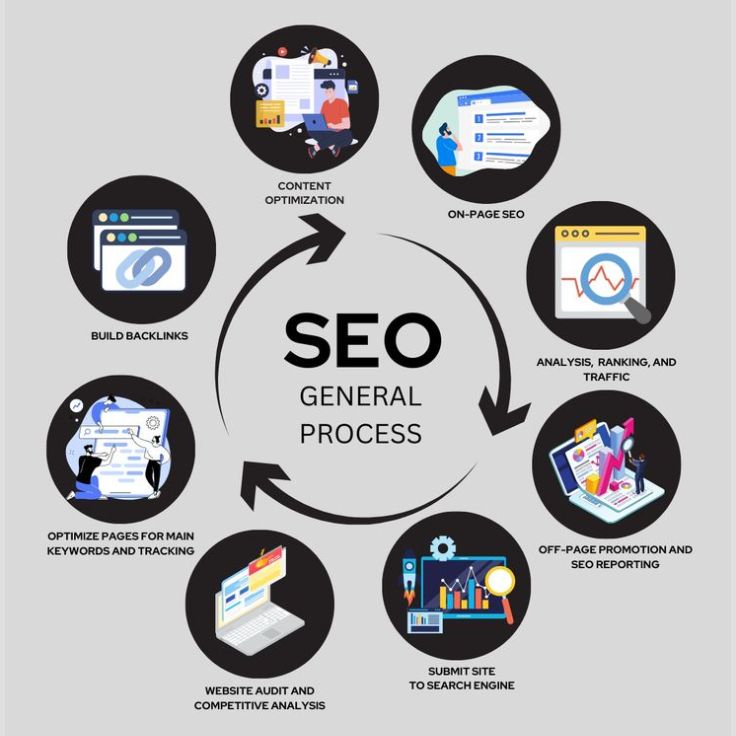
1. Conduct a Website Audit
Regular SEO audits help identify technical issues, broken links, and optimization opportunities. This allows businesses to improve performance and maintain search rankings.
2. Optimize for Mobile Devices
With the majority of users browsing on smartphones, mobile-friendly websites are essential. Responsive design improves both user experience and search rankings.
3. Improve Page Speed
Fast-loading pages reduce bounce rates and improve user satisfaction. Tools like Google PageSpeed Insights can help identify performance issues.
4. Use Analytics Tools
Tracking website performance is essential for improving SEO strategies. Tools such as Google Analytics and Google Search Console help monitor traffic, user behavior, and keyword rankings.
SEO is a powerful tool for businesses looking to grow their online presence and reach a wider audience. By focusing on keyword research, high-quality content, technical optimization, and authoritative backlinks, businesses can improve their search rankings and attract valuable organic traffic.
A well-planned SEO strategy not only increases visibility but also builds long-term trust and credibility with users in the digital marketplace.