Introduction
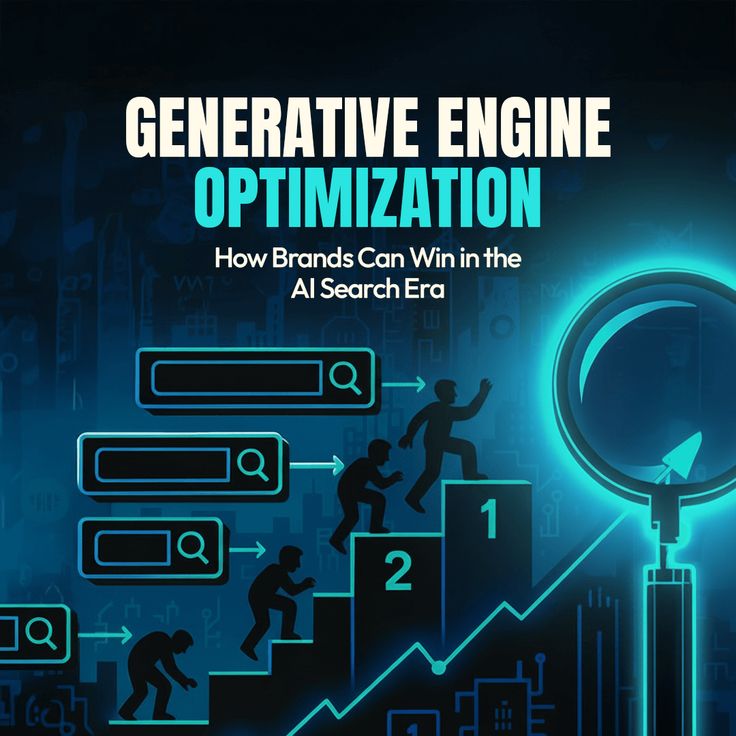
Search is evolving rapidly. Traditional search engines are no longer the only way people discover information online. With the rise of AI-powered search tools like ChatGPT, Gemini, and other AI assistants, users now receive direct answers instead of scrolling through multiple links. This shift has introduced a new concept called Generative Engine Optimization.
Understanding what is generative engine optimization is essential for businesses, marketers, and content creators who want to stay visible in the age of AI-driven search. Unlike traditional SEO that focuses mainly on ranking web pages, this modern approach focuses on making content understandable, credible, and easily usable by AI systems.
In this guide, we will explain what generative engine optimization means, why it matters, and how you can optimize your content for AI-powered discovery.
What Is Generative Engine Optimization?
Generative engine optimization refers to the process of optimizing digital content so that it can be discovered, understood, and cited by AI-powered search engines and generative AI systems.
These AI systems generate responses by analyzing large amounts of online content. Instead of simply listing websites like traditional search engines, they produce summarized answers that combine information from multiple sources.
When you understand what is generative engine optimization, you realize that the goal is not just to rank on search results but to become a trusted source that AI engines reference when generating answers.
This means your content should be accurate, well-structured, authoritative, and easy for AI models to interpret.
Why Generative Engine Optimization Is Important?
the growing use of AI assistants has significantly changed how users search for information. People now ask conversational questions and expect instant answers.
This shift makes generative engine optimization crucial for maintaining online visibility.
Here are some key reasons why it matters:
1. Rise of AI Search Platforms
AI search tools summarize information instead of showing long lists of links. If your content is optimized correctly, AI engines may include your insights when generating responses.
2. Increased Competition for Visibility
With AI providing direct answers, fewer users click on multiple websites. Businesses must adapt their strategies to ensure their content is recognized as reliable.
3. Improved Content Authority
Understanding what is generative engine optimization encourages creators to focus on high-quality, trustworthy content. AI systems prioritize credible sources with strong expertise.t
Generative Engine Optimization vs Traditional SEO
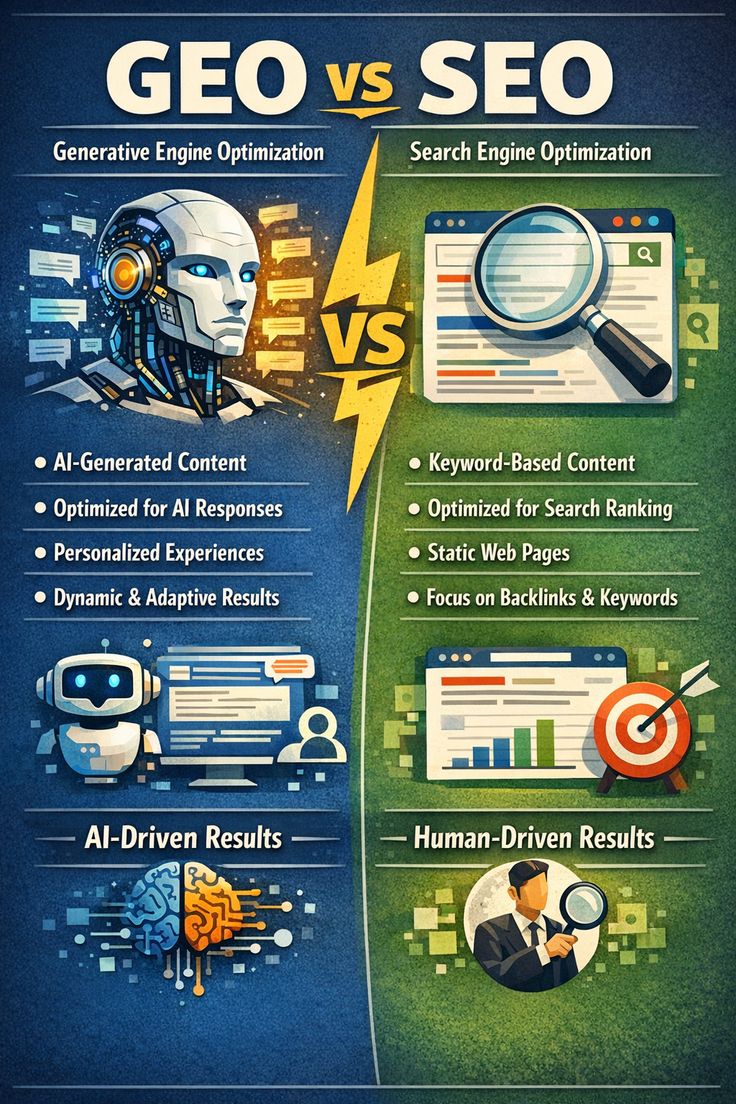
Although generative engine optimization and SEO share similarities, they focus on different aspects of search visibility.
Traditional SEO
Traditional SEO focuses on improving rankings on search engine results pages. It relies heavily on keyword optimization, backlinks, and technical improvements.
Generative Engine Optimization
Generative engine optimization focuses on making content understandable for AI systems that generate answers. It emphasizes context, credibility, structured information, and clarity.
While traditional SEO helps content rank on search engines, what is generative engine optimization becomes relevant when content needs to appear within AI-generated responses.
The most successful digital strategies combine both approaches.
Key Elements of Generative Engine Optimization
To succeed with generative engine optimization, creators need to focus on several important factors.
1. High-Quality Content
AI models prioritize informative and accurate content. Writing detailed, well-researched articles increases the chances of being referenced by AI engines.
2. Clear Structure
Using headings, subheadings, bullet points, and well-organized paragraphs helps AI systems understand your content more easily.
3. Authoritative Information
Content backed by expertise, experience, authority, and trustworthiness is more likely to be used by AI systems when generating answers.
4. Conversational Content
AI search tools often respond to conversational queries. Writing in a natural and clear tone improves the chances of your content matching user intent.
Best Practices for Generative Engine Optimization
If you want to benefit from this emerging strategy, follow these practical techniques.
Create In-Depth Content
Detailed content that answers multiple related questions performs better with AI-powered search engines.
Focus on User Intent
Understanding what users truly want to know is essential. Content should solve problems, answer questions, and provide meaningful insights.
Maintain Content Accuracy
AI systems value reliable information. Fact-based writing improves credibility and long-term performance.
Use Structured Formatting
Proper formatting helps both readers and AI systems understand the information quickly.
When implemented correctly, these practices improve your chances of appearing in AI-generated answers and search summaries.
The Future of Generative Engine Optimization
The digital landscape continues to evolve with AI technology. As generative AI becomes more advanced, businesses must adapt their content strategies to remain competitive.
Understanding what is generative engine optimization will become increasingly important for marketers, bloggers, and organizations that rely on online visibility.
Future search experiences will likely combine traditional search results with AI-generated summaries. Content creators who focus on quality, credibility, and structured information will have the greatest advantage.
Conclusion
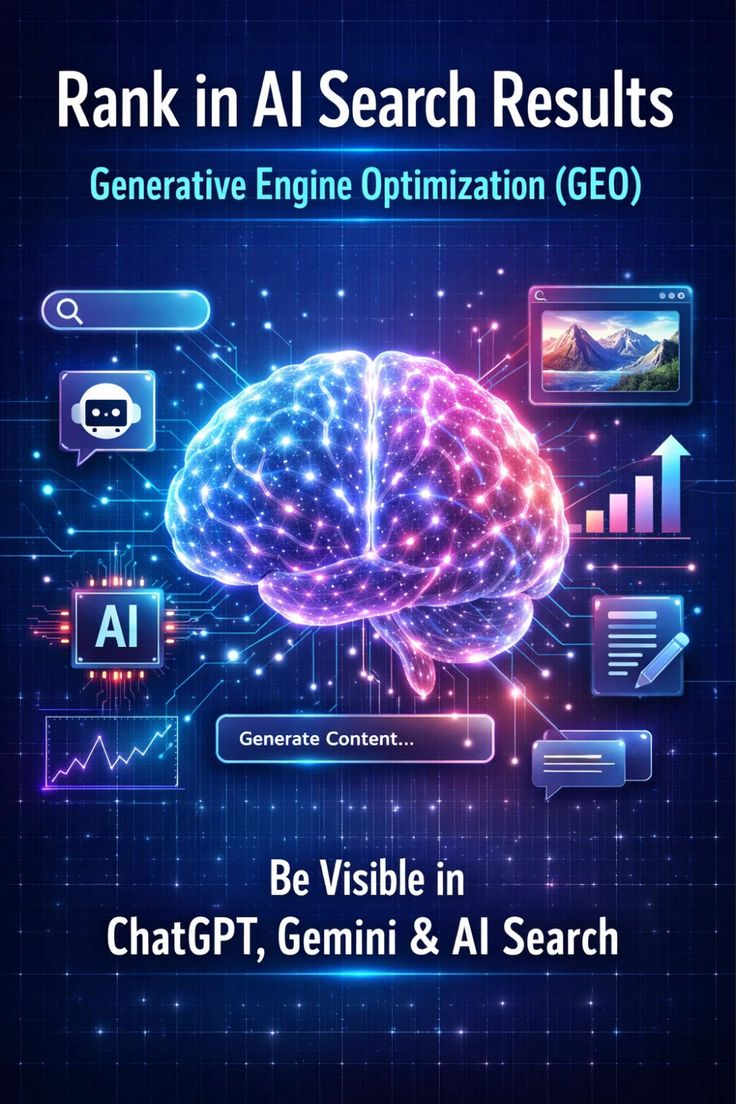
The way people search for information is changing rapidly. AI-powered tools are transforming search from link-based results into intelligent, conversational answers.
Learning what is generative engine optimization helps businesses prepare for this shift by optimizing content for AI understanding and discovery.
By focusing on high-quality information, structured writing, and authoritative insights, content creators can ensure their material remains visible in the new AI-driven search environment.
Generative engine optimization is not replacing SEO — it is expanding it. Businesses that adapt early will be better positioned to succeed in the future of digital search.