What Is Social Media Marketing
Introduction
Social media marketing (SMM) has evolved into an essential component of modern digital marketing strategies. As platforms like Facebook, Instagram, Twitter (X), and LinkedIn continue to grow in popularity, businesses must leverage these channels to connect with their audience and achieve their marketing goals.
From small startups to large corporations, organizations now rely on social media to build relationships with customers, increase brand awareness, and generate leads. In this comprehensive guide, we will explore what social media marketing is, its benefits, key strategies, and best practices to help you succeed in the digital landscape.
What Is Social Media Marketing?
Social media marketing refers to the use of social media platforms to promote products, services, or brands and engage with a target audience. It involves creating and sharing content such as text posts, images, videos, stories, and advertisements to achieve marketing and branding goals.
The main objective of social media marketing is to connect with audiences where they spend most of their time online and influence their purchasing decisions. Businesses also use social media to provide customer support, collect feedback, and build a loyal community around their brand.
The Importance of Social Media Marketing
Social media marketing has become a vital tool for businesses of all sizes. Here are some reasons why it is essential:
1. Increased Brand Awareness
Social media platforms allow businesses to reach millions of users worldwide. Consistent posting and engaging content help increase brand visibility and recognition.
2. Improved Customer Engagement
Social media enables direct communication between businesses and customers. Companies can respond to comments, messages, and feedback, creating stronger relationships with their audience.
3. Cost-Effective Marketing
Compared to traditional advertising methods such as TV or print ads, social media marketing is relatively inexpensive. Even small businesses can run effective campaigns with limited budgets.
4. Enhanced Targeting
Platforms like Facebook and Instagram offer advanced targeting tools that allow businesses to reach specific audiences based on age, location, interests, and behavior.
5. Data-Driven Insights
Social media analytics tools provide valuable data about audience engagement, campaign performance, and content effectiveness. Businesses can use this information to improve their strategies.
Popular Social Media Platforms for Marketing
Different social media platforms serve different marketing purposes. Some of the most popular platforms include:
Facebook: Ideal for community building, advertising, and brand awareness.
Instagram: Best for visual content such as photos, reels, and stories.
Twitter (X): Suitable for real-time updates, news, and customer interaction.
LinkedIn: Focused on professional networking and B2B marketing.
YouTube: Perfect for video marketing and tutorials.
TikTok: Great for short-form videos and reaching younger audiences.
Key Social Media Marketing Strategies
To succeed in social media marketing, businesses must follow well-planned strategies.
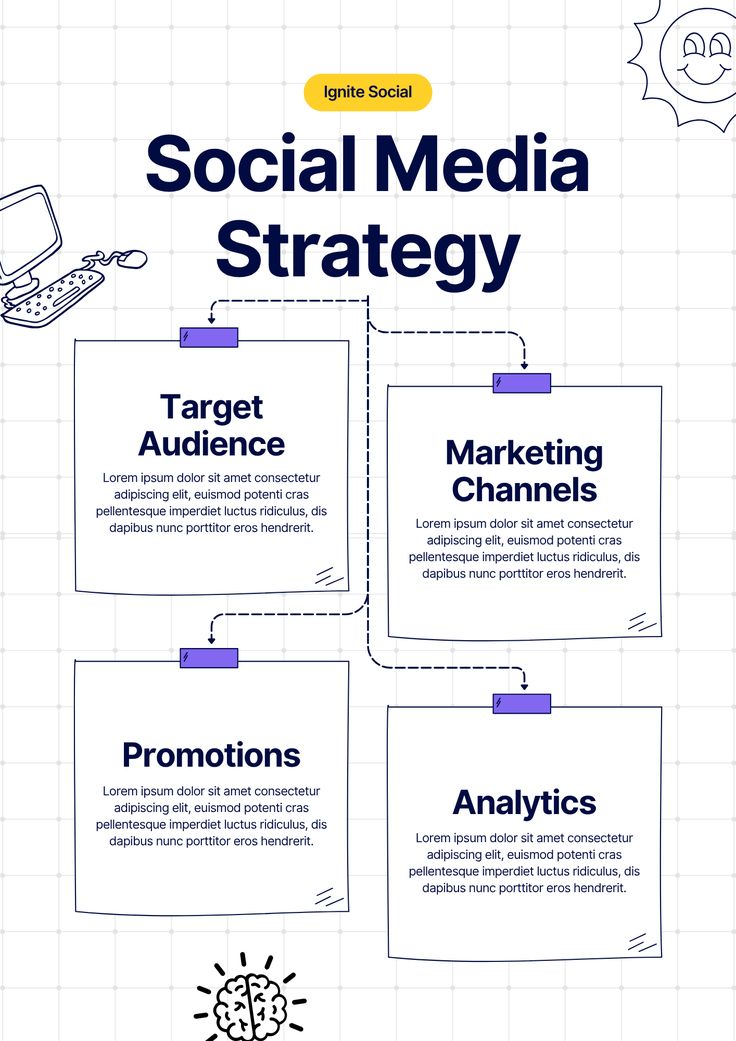
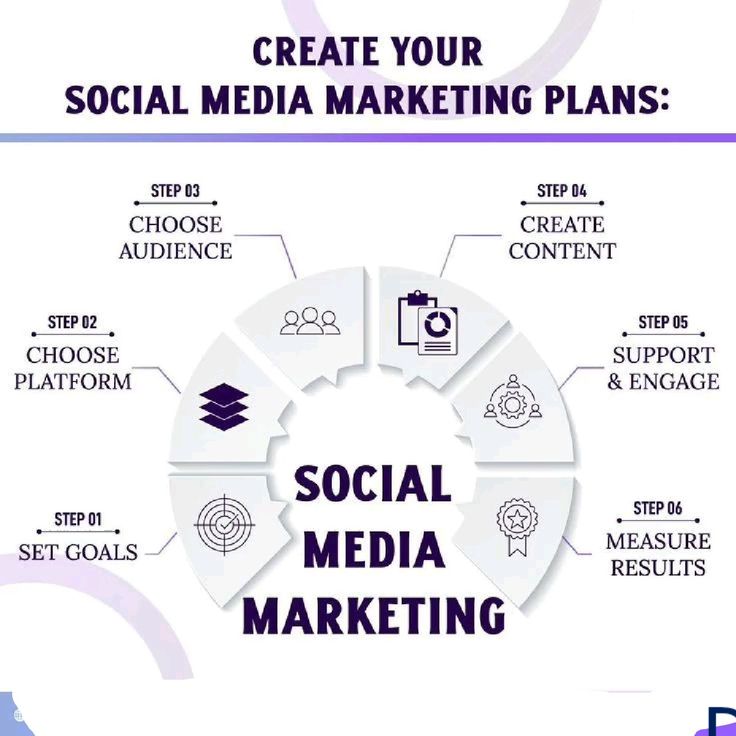
1. Define Your Goals
Before starting, determine what you want to achieve. Goals may include increasing website traffic, generating leads, or improving brand awareness.
2. Know Your Target Audience
Understanding your audience helps you create content that resonates with their interests, needs, and preferences.
3. Create High-Quality Content
Content is the backbone of social media marketing. Use engaging visuals, informative posts, and entertaining videos to attract attention.
4. Maintain Consistency
Posting regularly keeps your audience engaged and helps maintain visibility on social media algorithms.
5. Use Paid Advertising
Social media ads can help businesses reach a larger audience quickly and drive targeted traffic.
6. Analyze Performance
Track metrics such as likes, shares, comments, clicks, and conversions to measure success and improve future campaigns.
Best Practices for Social Media Marketing
To maximize results, follow these best practices:
Post consistently and at optimal times.
Use relevant hashtags to increase reach.
Engage with followers through comments and messages.
Collaborate with influencers for wider exposure.
Monitor analytics to improve strategy.
Stay updated with the latest social media trends.
Challenges of Social Media Marketing
Despite its benefits, social media marketing also presents challenges:
Constant algorithm changes
High competition among brands
Managing negative feedback or reviews
Creating consistent and engaging content
Businesses must stay adaptable and continuously refine their strategies to overcome these challenges.
Conclusion
Social media marketing has transformed the way businesses connect with their audiences. By leveraging platforms like Facebook, Instagram, LinkedIn, and TikTok, companies can build strong brand identities, engage customers, and drive business growth.
With the right strategies, consistent content, and data-driven insights, social media marketing can become one of the most powerful tools in a company’s digital marketing arsenal